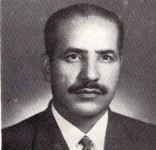

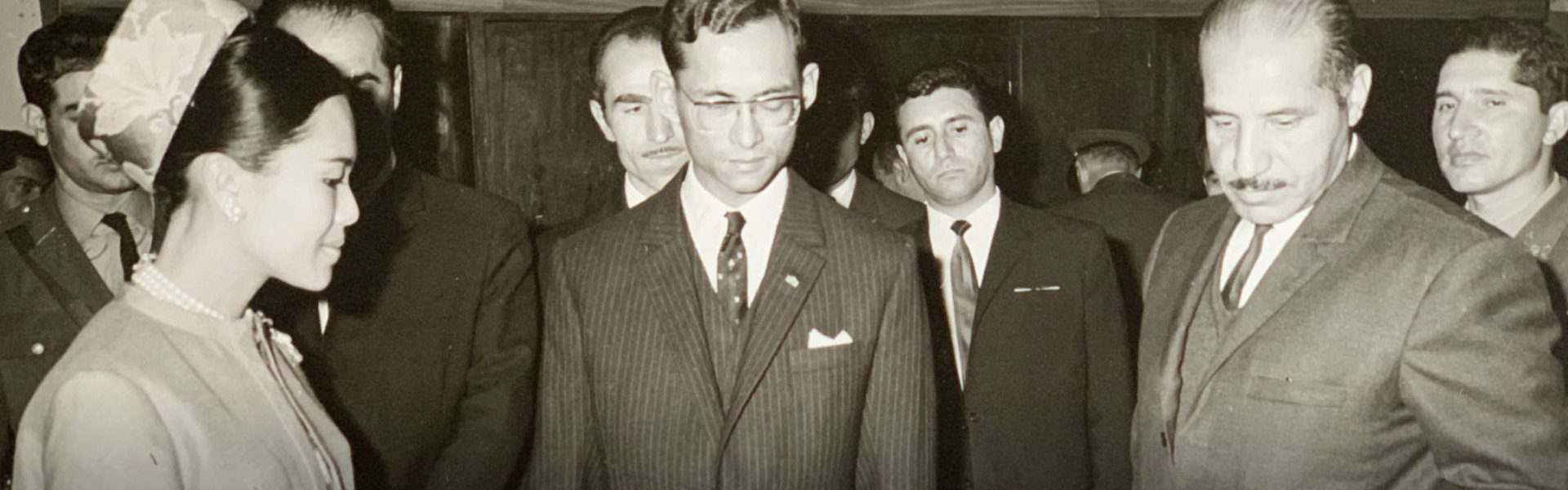
One of the traditional fine arts of Iran is the art of inlaid work signet (Khatam) which is not only one of the most difficult but also one of the most intricate of handcrafts. In this art Mr. Ali Nemat is a craftsman whose talent and good taste are exhibited in many outstanding masterpieces.
Who Is Ali Nemat?
He is known for his revolutionary approach to Khatam. His genius was in creating designs that were never seen before and expanding the art of Khatam beyond the borders of Iran. Ali Nemat created some of the world’s special Khatam pieces, which were presented to the heads of state outside Iran. Some of these pieces are now in the greatest museums and the most famous palaces of the world, representing the best examples of Iranian art to the world. He is one of the most prominent figures in this craft in the sphere of Persian art who has continually promoted efforts for technical progress and artistic perfection in the craft.
Early Life and Career
Mr. Nemat was born in Shiraz on November 3, 1913. Born into a middle-upper-class family. Since his childhood, he has had an intense interest in Khatam work, which he developed gradually. His apprenticeship under the traditional masters of Khatam art in Shiraz turned out to be the turning point in his life. Soon after completing his apprenticeship, he opened a workshop in Shiraz. This first venture lasted for about four years. Then he was invited to come to Tehran and collaborate with others to decorate the ‘Talar Khatam’ of the Marble Palace. By virtue of his good taste and talent, after only a short time here, he was recognized as a supreme craftsman and artist. In 1955 (Persian calendar; 1334), he was appointed as the Director of the Khatam workshop of the Department of Fine Arts, earning the title of ‘Master Craftsman’.
Career Highlights
Ali Nemat helped in the project to create a “Talar Khatam” for the royal family.
He was given full autonomy to design, build, and implement his vision to create the most unique Khatam ever seen in such a grand way. Given this new freedom and support from the Royal Palace, he put together a team and went to work:
-
He was the first to break the mold of geometric patterns which existed for hundreds of years and create birds, animals and flowers in this art form. This was a significant breakthrough which changed this art form’s appearance and use forever.
-
He replaced the use of ivory with synthetic tusks, thus reducing elephant poaching only for their tusks.
-
He was the first to replace the brown wood used for borders with bone-white material, therefore adding emphasis and beauty to the final product.
-
He was the first to apply colored wood in geometric-pattern material to create appearance of homogenized colors to be used for designs of birds, animals and flowers.
-
He used brass in place of silver to reduce material cost and make this art form more accessible to commoners.
-
He was the first to travel frequently to other countries to promote Iran’s art.
-
He was the first Iranian to win the highest medals and awards at World Exhibitions for his art, thus making this art form known to the world.
-
He was the reason for the world to know Iran by this art form.
Mr. Ali Nemat is considered to be one of the most innovative and adroit Master Craftsmen in Iran.
One of his revolutionary art pieces, among many, the first of its kind, which contained the design of birds and flowers, constructed of an estimated 18 million pieces, was a writing desk presented by His Majesty the Shah of Iran to President Dwight D. Eisenhower during his visit to Iran. Perhaps the most admired and well known of his works is a writing desk and chair which was presented by his Majesty the Shah of Iran to Her Royal Highness Queen Elizabeth II of England during her State visit in 1960.
Ali Nemat’s most amazing work of art is Khatam, a unique hall in Iran’s National Assembly (A national treasure that is not open for public viewing). This hall is a two-thousand-square-meter wall-to-wall and ceiling Khatam set in a unique way, capturing the best of the art form. This government-recognized Iran’s guarded treasure was executed and completed under the direct supervision of Ali Nemat. A masterpiece in the history of Iranian national arts and one that can not be duplicated.
Mr. Nemat passed away on May 26, 1976, and was buried inside the ‘Shah Cheragh’ shrine in Shiraz, Iran.